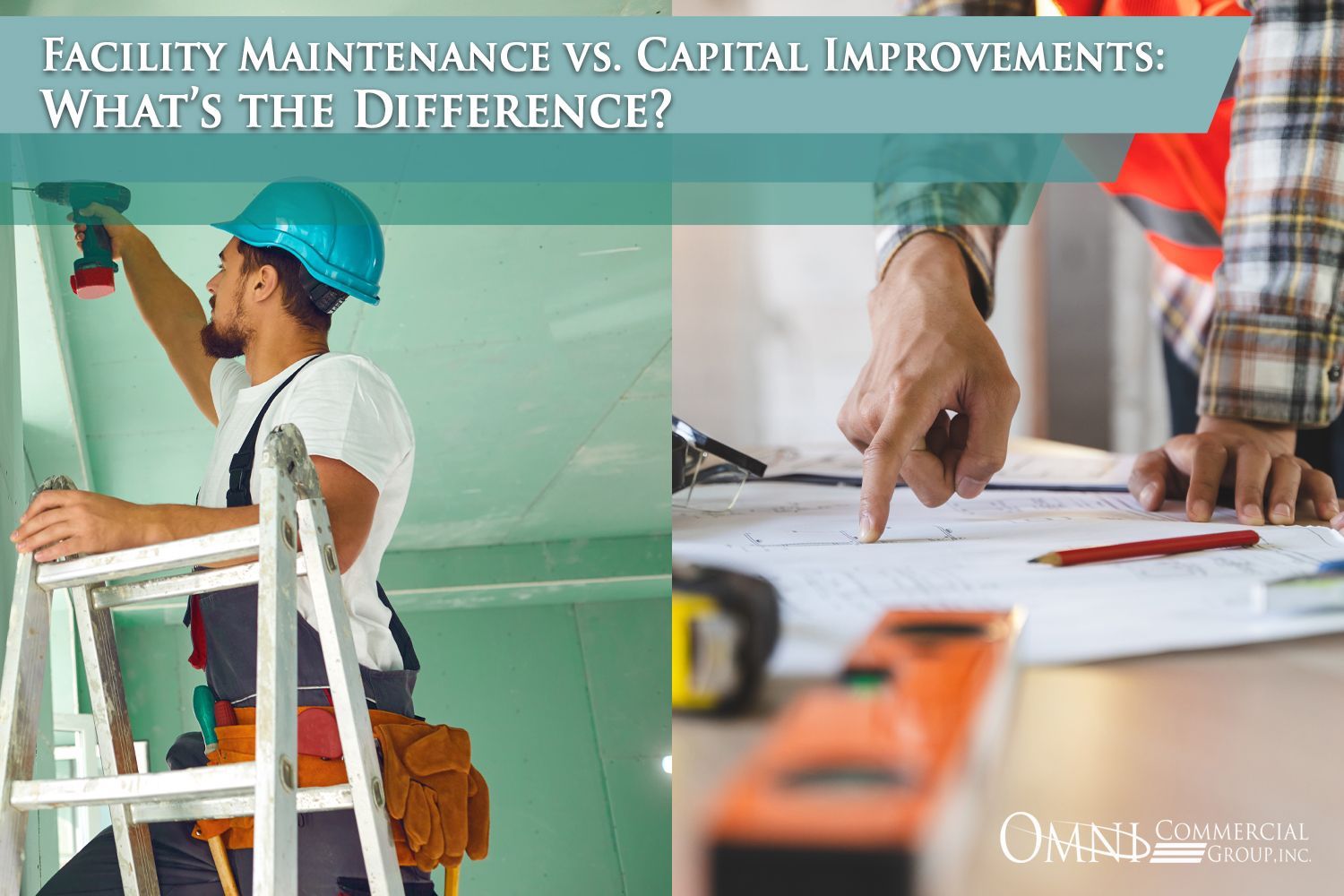
Facility Maintenance vs. Capital Improvements: What’s the Difference?
Commercial property owners and facility managers are constantly making decisions about where to invest time and money. Some projects are necessary to keep a building operating safely and efficiently, while others represent larger investments designed to improve the property, extend the useful life of major building components, or support future needs.
Understanding the difference between facility maintenance and capital improvements can help property owners prioritize projects, plan budgets, and make informed decisions about the future of their buildings.
While both are important to protect commercial property, they serve different purposes.
What Is Facility Maintenance?
Facility maintenance includes the routine work required to keep commercial property safe, functional, and operating as intended.
These projects generally focus on maintaining existing building systems and addressing normal wear and tear rather than significantly changing or upgrading the property.
Common examples of facility maintenance include:
- Repairing doors, walls, ceilings, and flooring
- Replacing damaged fixtures
- Addressing minor plumbing or electrical issues
- Maintaining HVAC equipment
- Repairing exterior surfaces
- Performing preventive maintenance
- Completing minor safety repairs
Regular maintenance can help identify and address smaller problems before they develop into larger, more expensive issues.
For property owners and facility managers, the goal is straightforward: keep the building functioning reliably while protecting the condition and value of the property.
What Are Capital Improvements?
Capital improvements generally involve larger projects that add value to a property, extend the useful life of a major building component, or significantly improve the functionality of a space.
Unlike routine maintenance, these projects often require more extensive planning, budgeting, design, permitting, and construction.
Examples of capital improvements may include:
- Major commercial renovations
- Building additions
- Significant HVAC or electrical upgrades
- Roof replacement
- Lobby or common-area renovations
- Restroom Modernization
- Exterior or façade improvements
- Major accessibility upgrades
- Reconfiguring interior layouts
- Large-scale tenant improvements
Capital improvements are typically part of a property's longer-term strategy rather than its everyday maintenance program.
Maintenance vs. Capital Improvements: The Key Difference
The simplest way to think about the distinction is:
Facility maintenance helps preserve what you already have. Capital improvements represent a significant investment in improving, replacing, or transforming it.
For example, repairing a damaged section of flooring may be considered maintenance. Replacing flooring throughout an entire commercial property as part of a modernization project may be considered a capital improvement.
The same principle can apply to building systems. Repairing an existing HVAC component is different from replacing or substantially upgrading an entire HVAC system.
However, the distinction is not always determined by the type of work alone. Scope, purpose, cost,
and expected useful life can all factor into how a project or expense is classified.
Because accounting and tax treatment can vary depending on the circumstances, property owners should consult their accounting and tax professionals when determining the appropriate classification of a specific expense.
Why Preventive Maintenance Matters
Routine maintenance may not receive the same attention as a major renovation, but it plays an important role in protecting a property's long-term value.
Deferred maintenance can allow relatively minor issues to become much more significant problems.
A small leak, damaged surface, deteriorating exterior component, or aging building system may initially require a straightforward repair. When left unaddressed, that same issue could result in additional damage and a much larger project.
A proactive maintenance strategy can help property owners:
- Extend the useful life of building components
- Reduce unexpected repairs
- Maintain a professional appearance
- Support tenant satisfaction
- Identify potential problems earlier
- Plan future capital expenditures more effectively
Maintenance records can also provide valuable insight into which building components are approaching the point where continued repair may no longer be the most practical solution.
When Does Maintenance Become a Capital Improvement?
There may come a point when continually repairing an aging building component no longer makes financial or operational sense.
Property owners should consider the bigger picture when deciding whether to continue maintaining an existing system or begin planning for a larger improvement.
Questions to consider include:
- How frequently does the component require repair?
- Are maintenance costs increasing?
- Is the existing system affecting building operations?
- Is the component approaching the end of its useful life?
- Would replacement improve efficiency or functionality?
- Are tenants being affected by repeated repairs?
- Could a larger improvement reduce long-term maintenance requirements?
- Does the property need to be modernized to remain competitive?
The answers can help owners determine whether another repair is appropriate or whether it is time to begin planning a larger project.
Capital Improvements Require Strategic Planning
Unlike many routine maintenance projects, capital improvements often involve multiple stakeholders and require significant coordination.
Before construction begins, property owners may need to evaluate:
- Project scope
- Budget and financing
- Design requirements
- Existing building conditions
- Permits and inspections
- Material lead times
- Tenant and occupant impact
- Construction phasing
- Safety requirements
- Long-term property goals
This is where
preconstruction planning becomes especially valuable.
As we discussed in
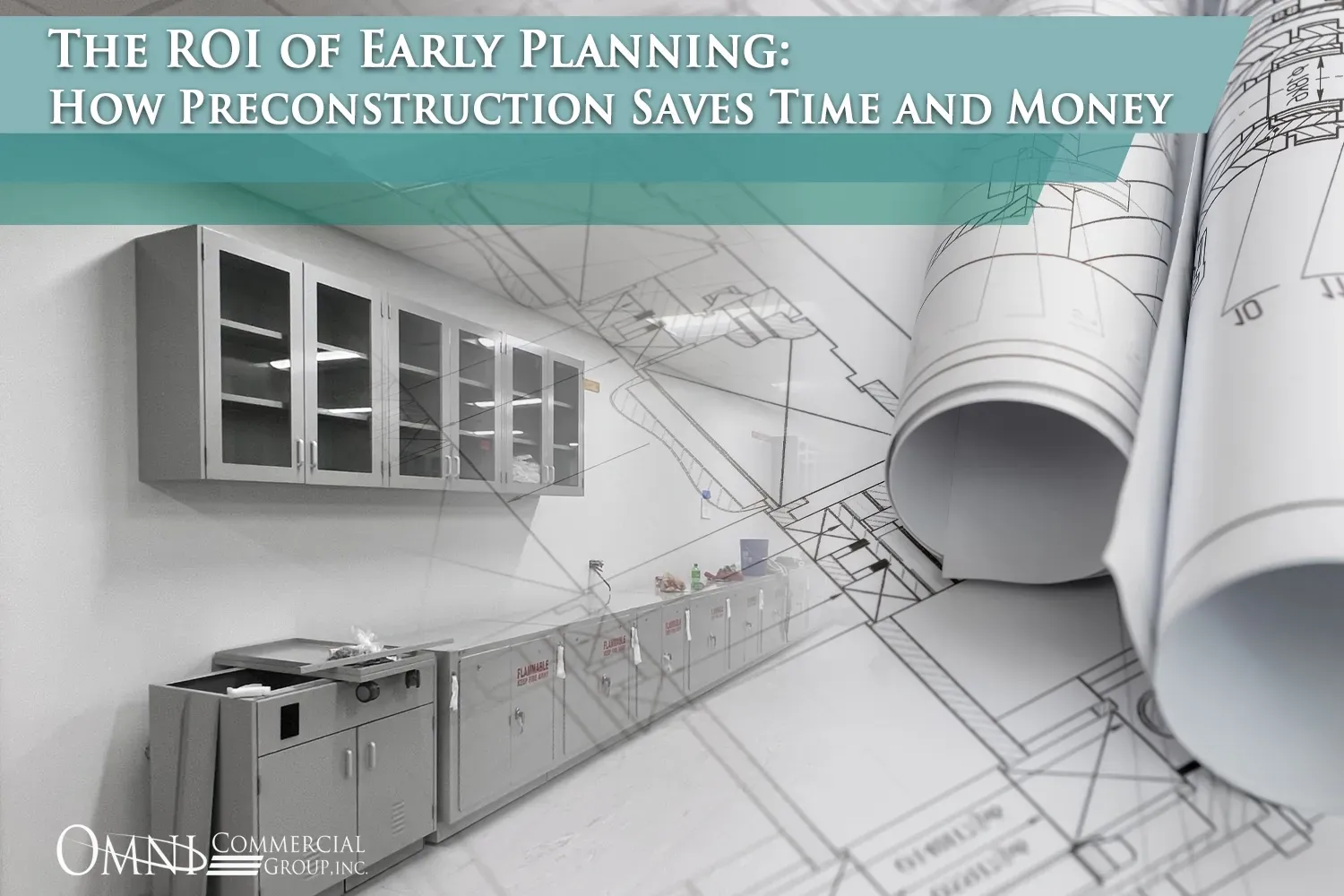
The ROI of Early Planning: How Preconstruction Saves Time and Money, making important decisions early can help identify potential challenges, establish realistic budgets, and create a clear roadmap before construction begins.
Early planning can also provide more flexibility when evaluating materials, scheduling work, coordinating contractors, and minimizing disruption to building occupants.
Don't Wait Until a Repair Becomes an Emergency
One of the challenges property owners face is knowing when to transition from maintaining an existing component to replacing or improving it.
Waiting until something fails completely can limit your options.
Emergency projects may require faster decisions, limit material choices, disrupt tenants, and make it more difficult to coordinate construction around normal building operations.
Instead, property owners can use maintenance records, inspections, and building assessments to anticipate future needs and incorporate larger projects into a long-term capital improvement plan.
Planning ahead provides more time to evaluate options, establish budgets, and coordinate the work strategically.
Consider the Impact on Tenants and Building Operations
Whether a project involves routine maintenance or a major capital improvement, the impact on occupants should be part of the planning process.
Larger projects may involve noise, dust, temporary closures, utility interruptions, or changes to building access. Phased construction and careful scheduling can help reduce these disruptions.
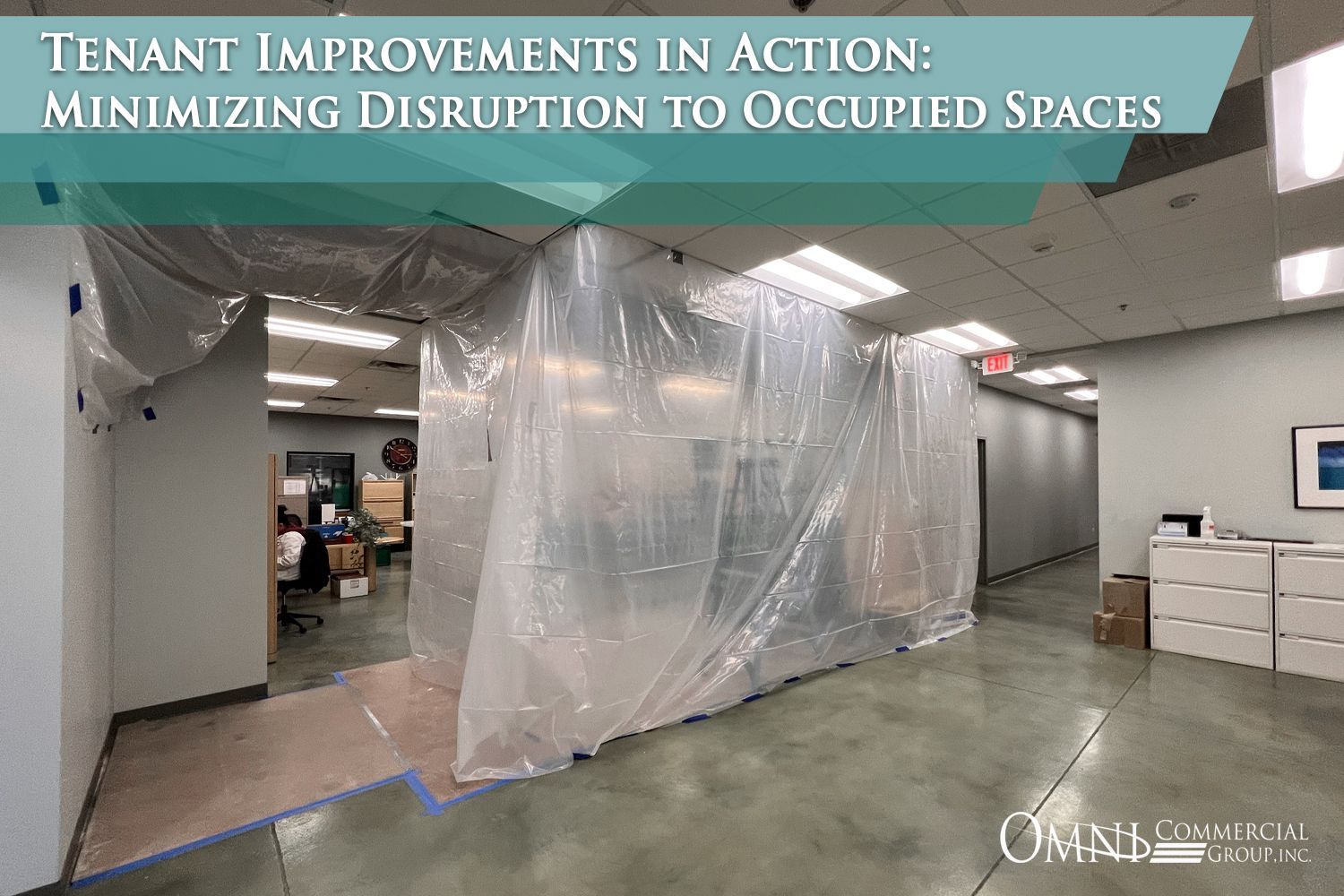
As discussed in our blog, Tenant Improvements in Action: Minimizing Disruption to Occupied Spaces, communication and coordination are especially important when construction takes place in an active commercial environment.
Property owners should consider not only what work needs to be completed, but also how and when that work will affect the people using the building.
Building a Long-Term Property Strategy
Facility maintenance and capital improvements should not be viewed as competing priorities.
They work together.
Routine maintenance protects the investments you've already made, while strategic capital improvements help prepare the property for future needs. Together, they create a more proactive approach to protecting the property and planning future investments.
A strong property strategy may include:
- A preventive maintenance schedule
- Regular building assessments
- Documentation of recurring repairs
- An inventory of aging building systems
- Short- and long-term capital priorities
- Preliminary budgets for future improvements
- Planned renovation timelines
This approach gives owners greater visibility into upcoming expenses and creates opportunities to address projects proactively rather than reactively.
The Bottom Line
Facility maintenance helps keep your commercial property operating effectively today. Capital improvements help position it for tomorrow.
Knowing when to repair, replace, renovate, or upgrade can help property owners manage costs while protecting the long-term value, functionality, and usability of their buildings.
The key is to look beyond the immediate repair and consider the property's overall condition, operational needs, and future goals.
Plan Your Next Commercial Property Improvement
At Omni Commercial Group, we help property owners evaluate construction needs and develop practical strategies for commercial renovations and capital improvement projects.
From early planning and budgeting through construction and project completion, our team works with owners and property managers to develop solutions that address immediate needs while supporting long-term property goals.
Planning a capital improvement or commercial renovation?
Contact Omni Commercial Group to start the conversation and determine the right approach for your property.