Choosing the Right General Contractor: What Property Owners Should Look For
A commercial construction project is a significant investment. Whether you’re planning a tenant improvement, renovating an existing property, or transforming an entire facility, the general contractor you choose will influence nearly every aspect of the project.
The right contractor does far more than oversee construction. They help establish the budget, coordinate subcontractors, anticipate challenges, maintain safety standards, and keep stakeholders informed from planning through project completion.
Choosing a contractor based solely on price can lead to costly surprises. Instead, property owners should evaluate experience, communication, planning capabilities, safety practices, and overall fit before selecting a construction partner.
Look for Relevant Commercial Construction Experience
Not every construction project is a significant investment. Whether you’re planning a tenant improvement, renovating an existing property, or transforming an entire facility, the general contractor you choose will influence nearly every aspect of the project.
Look for a contractor with experience completing projects similar to yours, whether that includes commercial renovations, tenant improvements, occupied-space construction, office build-outs, property repositioning, structural modifications, or multi-phase projects. Relevant experience allows a contractor to recognize potential challenges early and recommend practical solutions before they affect the budget or schedule.
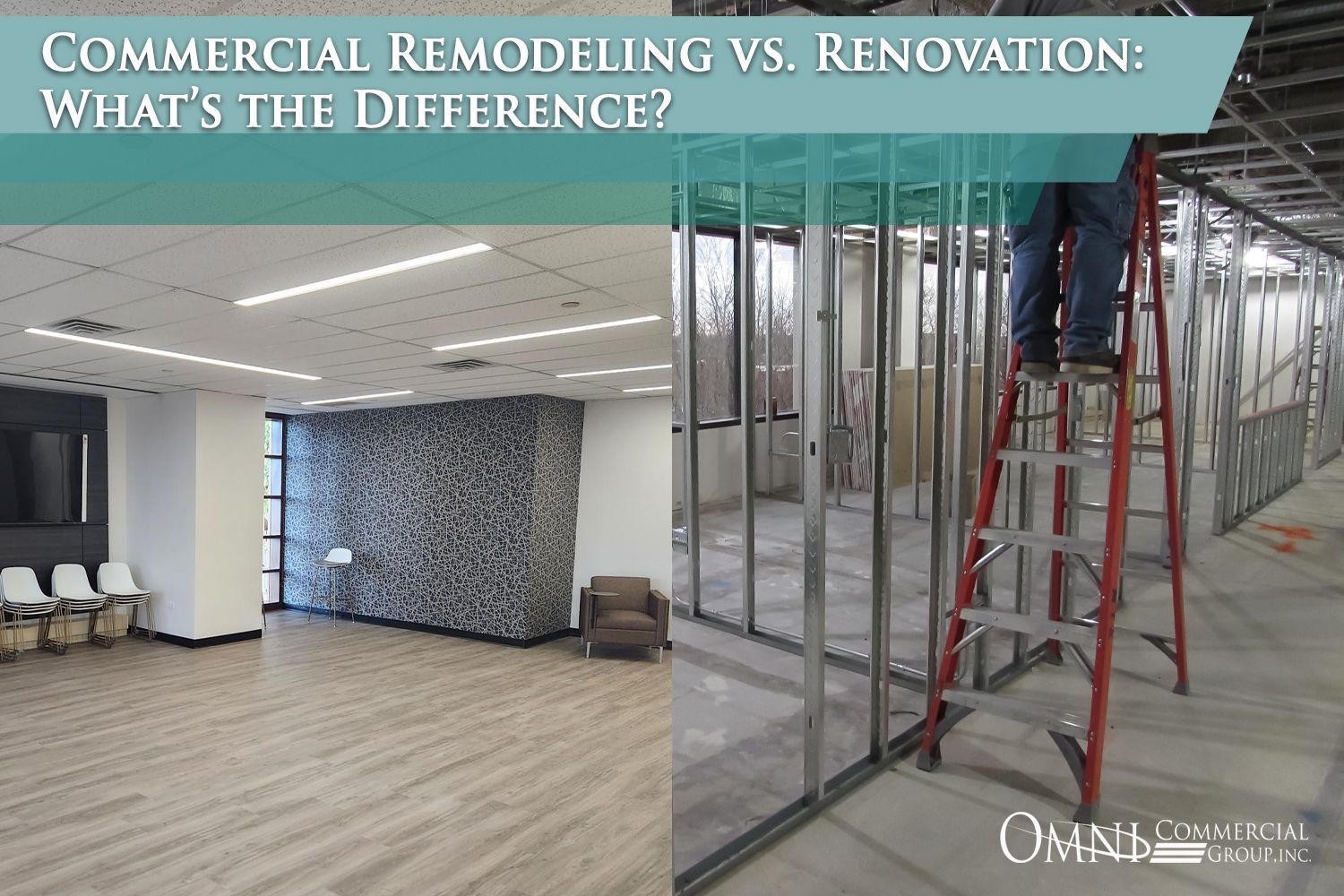
A qualified contractor should also understand how to balance design goals with operational requirements. This becomes especially important when determining whether a project requires renovations or a more extensive remodel. Our article,
Commercial Remodeling vs. Renovation: What’s the Difference?, explains how project scope influences planning, costs, and execution.
Evaluate the Contractor’s Preconstruction Process
Successful construction begins long before crews arrive on-site.
During preconstruction, the contractor should work closely with the owner, architect, engineers, and other stakeholders to define the project scope, establish a realistic budget, develop a workable schedule, and identify potential risks before construction begins.
A thorough preconstruction process includes evaluating existing building conditions, developing preliminary budgets, reviewing constructability, identifying value engineering opportunities, coordinating permitting, planning material procurement, organizing site logistics, and establishing project phasing.
Ask prospective contractors to explain how they approach this stage and what information they provide before construction starts. Strong preconstruction planning creates clarity, reduces uncertainty, and helps minimize costly changes later in the project.
For a deeper look at why planning matters, read
The ROI of Early Planning: How Preconstruction Saves Time and Money.
Prioritize Clear and Consistent Communication
Construction projects involve countless moving parts, and property owners should never be left wondering about progress, upcoming decisions, or schedule changes.
A dependable general contractor establishes a communication plan from the beginning. This includes assigning a dedicated point of contact, providing regular progress updates, communicating schedule changes promptly, documenting budgets and change orders, and responding quickly to questions.
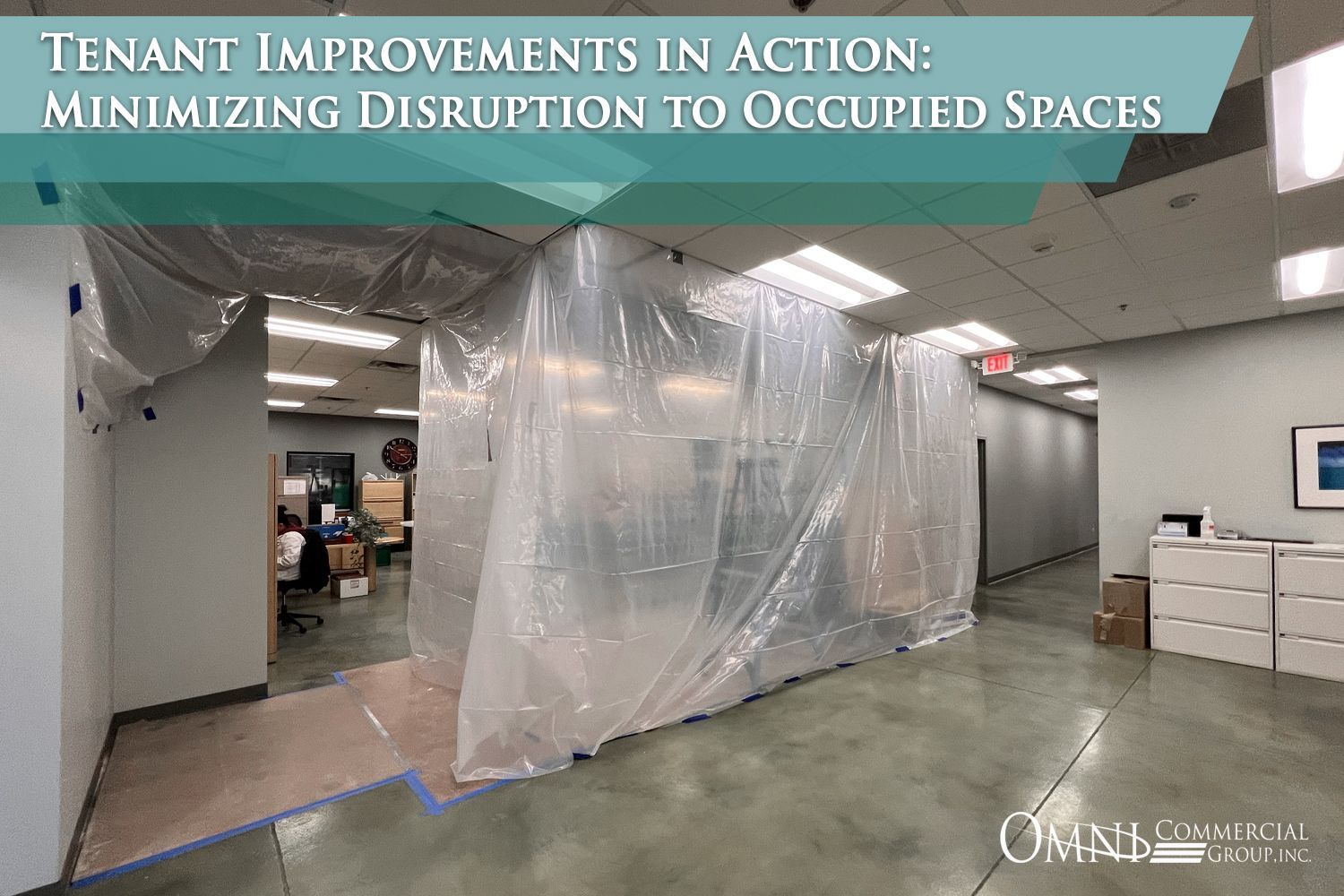
Communication becomes even more critical when work takes place in an occupied building. Tenants, employees, visitors, and property managers all benefit from advance notice regarding temporary closures, utility shutdowns, deliveries, noise, and changing work areas.
Our article, Tenant Improvements in Action: Minimizing Disruption to Occupied Spaces, explains how proactive communication helps businesses remain operational throughout construction.
Review the Contractor's Approach to Scheduling
The construction schedule should be more than a projected start and completion date.
An effective schedule accounts for design decisions, permitting, long-lead materials, inspections, subcontractor coordination, owner milestones, and occupancy requirements. Ask prospective contractors how they develop schedules, monitor progress, coordinate multiple trades, manage material lead times, and respond to unexpected conditions.
While no contractor can eliminate every delay, experienced construction teams have clear processes for adjusting schedules, communicating changes, and minimizing disruptions to keep projects moving forward.
Examine Safety Practices and Jobsite Management
Safety should be one of the most important factors when evaluating a general commercial contractor.
A well-managed jobsite protects workers, tenants, visitors, and the owner's investment while reducing the risk of delays, damaged materials, regulatory issues, and unexpected costs.
Ask contractors about their employee training programs, site inspections, hazard identification procedures, access control, emergency planning, housekeeping standards, and safety practices for occupied buildings. Well-organized jobsites often reflect disciplined project management and a commitment to quality throughout the construction process.
Learn more in
Safety on the Jobsite: Why It Protects Your Timeline and Budget.
Understand How Costs and Changes Are Managed
The lowest proposal doesn't always produce the lowest final project cost.
Before selecting a contractor, make sure you understand exactly what is included in the proposal, which items are listed as allowances, how pricing assumptions were developed, and how change orders will be documented and approved.
A trustworthy contractor is transparent about project costs and explains how the budget was developed. They provide regular budget updates, clearly communicate potential changes, and work proactively to prevent unnecessary cost increases. This level of transparency helps property owners make informed decisions and reduces misunderstandings throughout the project.
Consider the Contractor's Subcontractor Relationships
General contractors rely on skilled trade partners to complete much of the specialized work involved in commercial construction.
Long-standing relationships with qualified subcontractors often lead to better scheduling, improved workmanship, stronger accountability, and smoother coordination between trades. Ask how the contractor selects subcontractors, evaluates their performance, and maintains quality standards throughout the project.
The best contractors remain actively involved throughout construction, coordinating the trades, resolving conflicts, monitoring quality, and ensuring every phase of the work aligns with the project schedule and design plans.
Check References and Completed Projects
Past performance offers valuable insight into what it's like to work with a contractor.
Review completed projects and speak with clients whose projects were similar to yours. Rather than simply asking whether they were satisfied, discuss the contractor's communication, responsiveness, schedule management, budget performance, problem-solving abilities, workmanship, and overall project experience.
A contractor's portfolio demonstrates what they've built, while client references reveal how they manage relationships and respond when unexpected challenges arise.
Choose a Partner, Not Just a Bid
The lowest proposal may seem attractive, but commercial construction decisions should focus on long-term value rather than the initial price.
An experienced general contractor brings planning, leadership, coordination, transparency, accountability, and proactive problem-solving to every project. These qualities help reduce risk, prevent costly mistakes, and create a smoother experience from preconstruction through closeout.
The strongest contractor-client relationships are built on trust. Property owners should feel confident that their construction partner understands their goals and is committed to protecting their investment every step of the way.
Build with Confidence
At Omni Commercial Group, we believe successful commercial construction requires more than completing the work shown on a set of plans. It requires thoughtful planning, clear communication, trusted partnerships, and careful management throughout every phase of the project.
Our team works closely with property owners, managers, tenants, architects, and trade partners to deliver commercial construction projects with clarity, efficiency, and confidence.
If you're planning a commercial renovation, tenant improvement, or construction project, contact Omni Commercial Group to discuss your property, your priorities, and your long-term goals.