Safety on the Jobsite: Why It Protects Your Timeline and Budget
When people think about construction safety, preventing accidents is usually the first thing that comes to mind. While protecting workers is always the highest priority, a strong safety culture offers benefits that extend far beyond the job site.
Safety plays a critical role in the success of every commercial construction project. It helps keep work moving efficiently, minimizes costly delays, reduces unexpected expenses, and supports consistent project quality. For property owners, developers, and facility managers, choosing a contractor with a proven commitment to safety isn’t just about meeting regulations; it’s about protecting your investment.
Safety Is the Foundation of Every Successful Project
Commercial construction sites are constantly changing environments. Multiple trades, heavy equipment, material deliveries, and evolving site conditions all require careful coordination. Without a comprehensive safety program, even minor incidents can disrupt schedules and increase project costs.
A proactive safety program includes:
· Ongoing employee safety training
· Daily job site inspections
· Hazard identification and risk mitigation
· OSHA compliance
· Clear communication among project teams
· Proper use of personal protective equipment (PPE)
When safety is integrated into every phase of a project, teams can focus on productivity instead of responding to preventable issues.
Fewer Incidents Mean Fewer Delays
Construction schedules depend on coordination. An unexpected incident can quickly create a ripple effect across the entire project.
Safety-related disruptions may result in:
· Work stoppages
· Site investigations
· Equipment damage
· Material replacement
· Labor shortages
· Inspection delays
· Project rescheduling
Even one setback can affect subcontractors, deliveries, inspections, and project completion dates. By reducing these risks, a strong safety program helps keep projects moving forward with fewer interruptions.
Safety Protects Your Budget
Project delays often lead directly to increased costs. Poor safety practices can result in:
· Higher labor expenses
· Equipment repairs or replacement
· Material losses
· Regulatory fines
· Extended project schedules
· Increased insurance costs
By preventing incidents before they occur, contractors help control expenses and minimize the risk of unexpected budget increases.
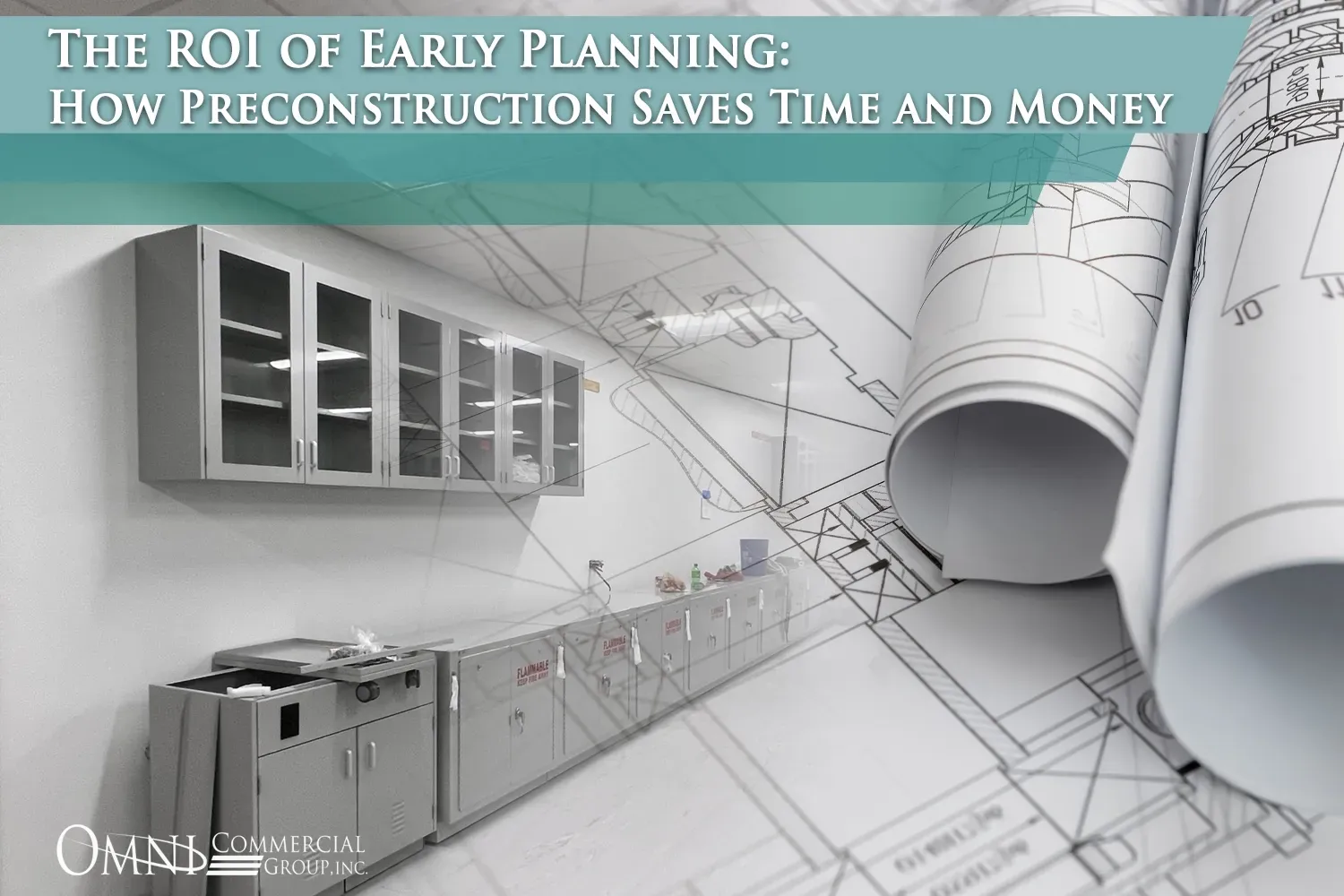
As we discussed in our blog, The ROI of Early Planning: How Preconstruction Saves Time and Money, proactive planning is one of the most effective ways to reduce risk before construction even begins. Safety planning is a key part of that process.
Planning Creates a Safety Job Site
Safety begins long before crews arrive on site.
During preconstruction, project teams can:
· Identify potential hazards
· Develop site logistics plans
· Coordinate subcontractor activities
· Establish material staging areas
· Create emergency response procedures
Planning ahead improves efficiency, reduces confusion, and creates a safer work environment throughout every phase of construction.
Communication Strengthens Safety
Successful construction projects rely on clear, consistent communication.
Regular coordination meetings, daily safety briefings, and open communication between project managers, subcontractors, and owners help identify concerns before they become costly problems.
Strong communication also improves accountability by ensuring everyone understands project expectations, responsibilities, and safety protocols.
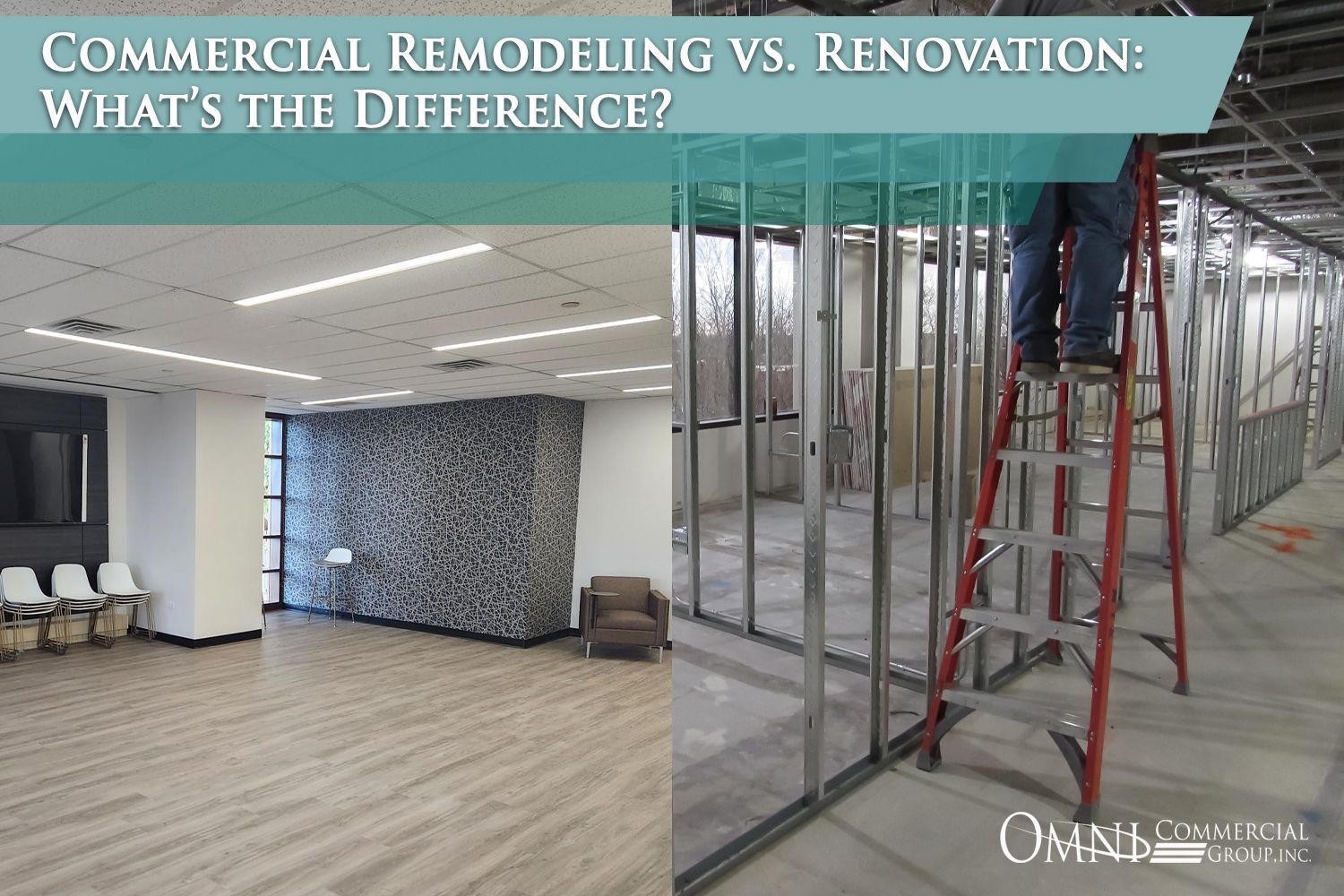
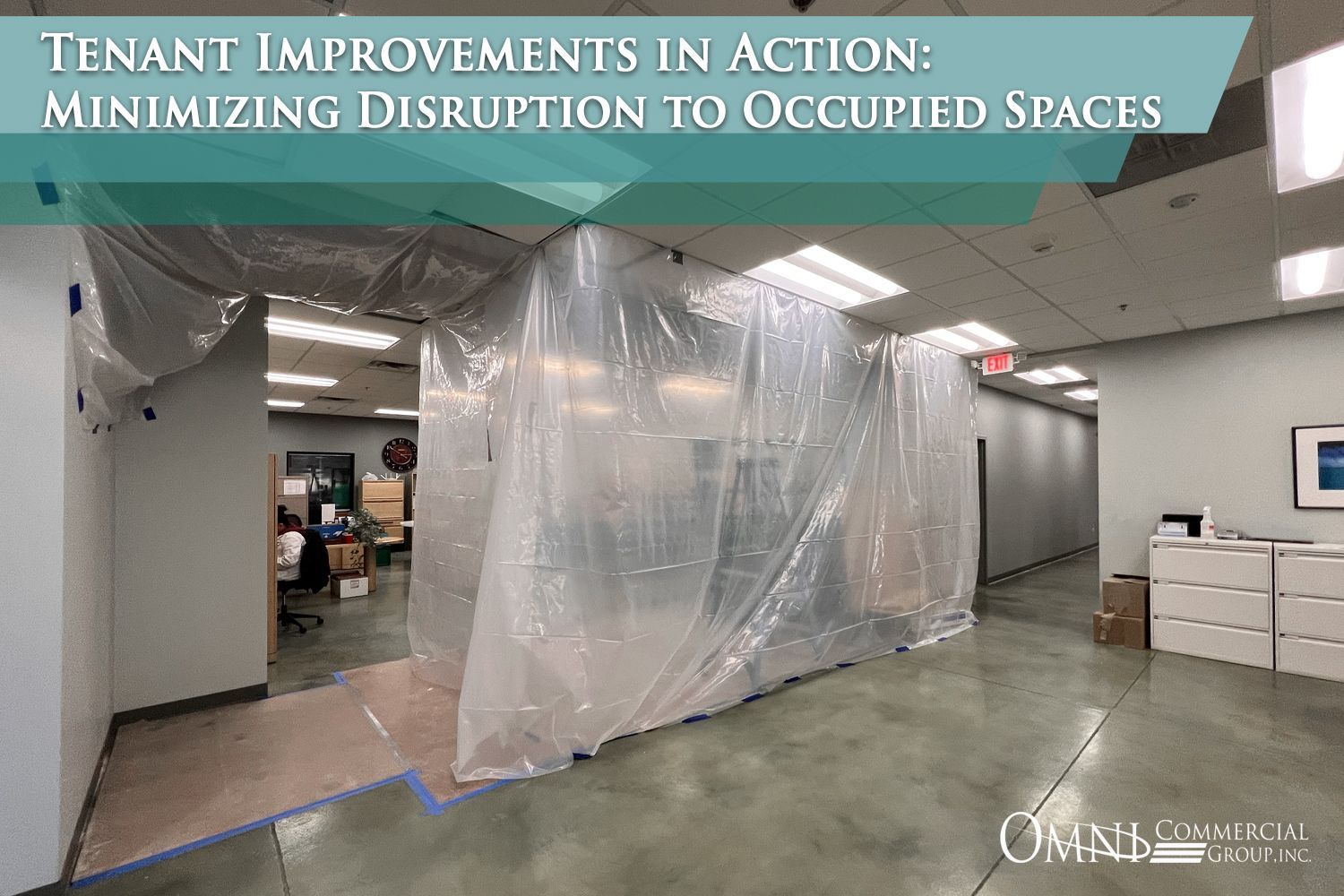
These same communication practices are especially valuable during renovations and tenant improvement projects, helping minimize disruptions for occupied buildings while maintaining a safe environment for tenants and visitors.
Safe Job Sites Deliver Better Quality
Well-organized job sites are typically safer and more productive.
Clean work areas, proper material storage, and clearly defined work zones allow crews to focus on craftsmanship rather than navigating unnecessary hazards.
The result is:
· Increased productivity
· Higher-quality workmanship
· Less rework
· Greater overall productivity
Quality and safety go hand in hand.
Choosing the Right Construction Partner
When selecting a commercial contractor, safety should be one of your most important evaluation criteria.
Consider asking questions such as:
· What safety training do your employees receive?
· How often are job sites inspected?
· What is your incident prevention process?
· How do you manage subcontractor safety?
· How is safety incorporated during preconstruction planning?
A contractor with a strong safety culture demonstrates professionalism, accountability, and a commitment to delivering successful projects from start to finish.
The Bottom Line
Safety isn’t simply a regulatory requirement; it’s a smart business investment.
A comprehensive safety program helps prevent delays, control costs, improve quality, and keep projects on track. For owners, developers, and property managers, partnering with a contractor that prioritizes safety provides greater confidence that your project will be completed efficiently, responsibly, and with fewer surprises.
Building Safe. Building Smart.
At Omni Commercial Group, safety is integrated into every stage of the construction process, from preconstruction planning through project completion. Our commitment to safety helps protect our employees, our clients, our trade partners, and every investment we build.
Ready to build with confidence? Contact Omni Commercial Group today to learn how our safety-first approach helps keep commercial construction projects on schedule, on budget, and built to last.