Commercial Remodeling vs. Renovation: What’s the Difference?

June 17, 2026

Tenant improvements In commercial construction, the terms remodeling and renovation are often used interchangeably. While both improve a property, they serve different purposes, and understanding those differences is essential when planning your next project.


For property owners, developers, and facility managers, choosing between a
remodel and a renovation can significantly impact budget, timeline, tenant experience, and long-term return on investment. Before moving forward, it’s important to determine which approach best aligns with your goals.


What is Commercial Renovation?

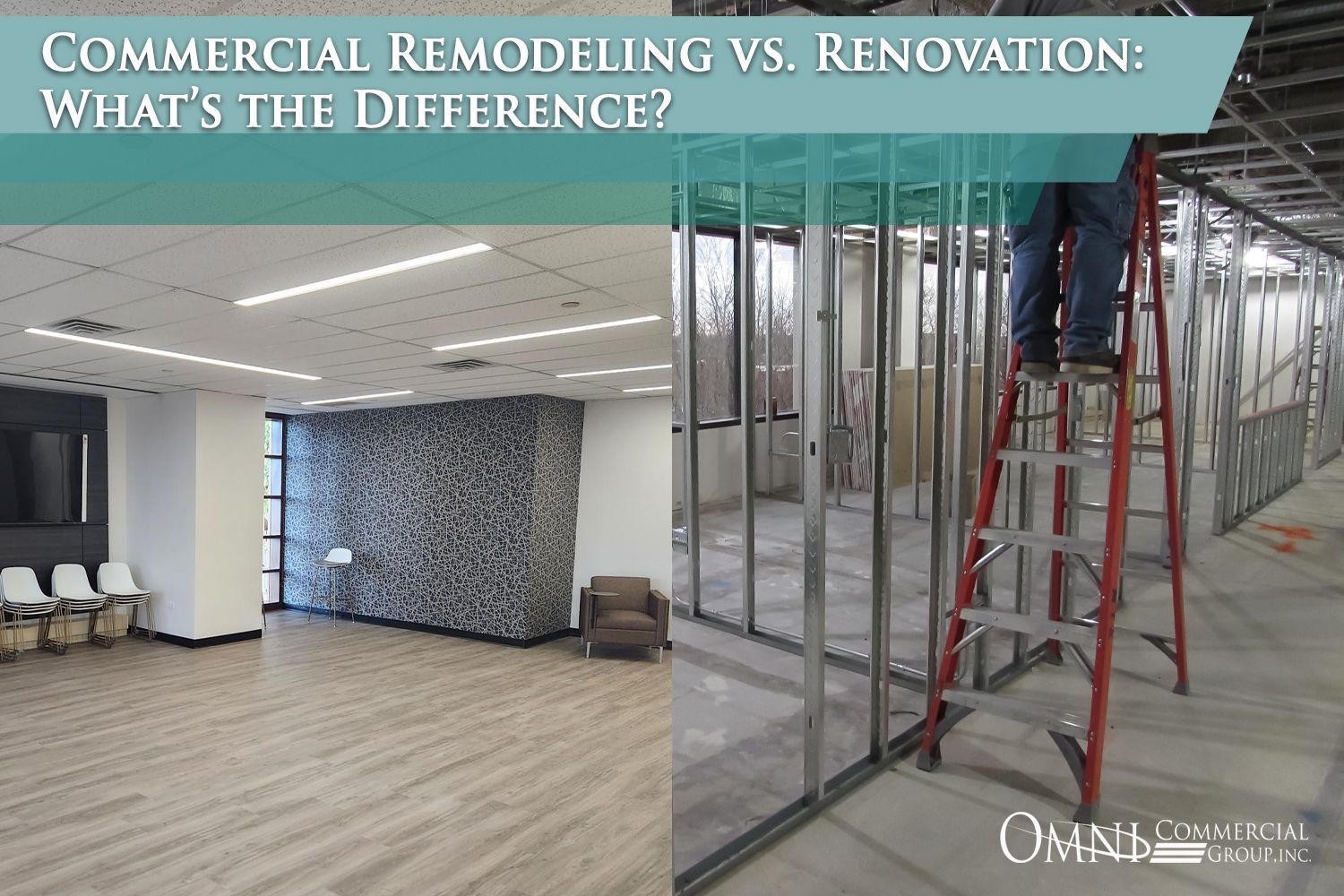
A commercial renovation focuses on restoring, updating, or improving an existing space without significantly changing its layout or intended use. The goal is to enhance the property’s appearance, functionality, or condition while preserving its original structure.


Typical
renovation projects include replacing flooring, updating lighting systems, repainting interiors, repairing ceilings and walls, upgrading HVAC or electrical components, and modernizing finishes and fixtures. Renovations are often the ideal solution for buildings that remain structurally sound but need cosmetic improvements or system upgrades to stay competitive and efficient.


What is Commercial Remodeling?

Commercial remodeling involves changing the structure, layout, or function of a space. These projects are generally more extensive and are designed to improve how a property supports business operations, tenant needs, or future growth.


A
remodeling project may include reconfiguring office layouts, expanding workspaces, creating open-concept environments, adding conference rooms, converting retail spaces, or repurposing outdated interiors. Remodeling is often the best choice when a space no longer meets the demands of modern business operations or changing tenant expectations.


Understanding the Key Differences

The primary difference between renovation and remodeling lies in the scope of work. Renovations improve what already exists, while remodeling changes the space itself.


A renovation may involve refreshing finishes, replacing aging systems, or updating the appearance of a building. Remodeling, on the other hand, often requires structural modifications, floor plan changes, utility relocations, and additional permitting requirements.


Because remodeling projects are typically more complex, they generally require larger budgets, longer timelines, and more coordination among contractors, designers, and building stakeholders. Renovations are often the most cost-effective and can frequently be completed faster, particularly in occupied spaces.


As discussed in our blog on
how preconstruction planning saves time and money, careful planning plays a critical role in controlling costs and avoiding delays regardless of project type.


Considering Occupancy and Business Operations

One of the most important factors when deciding between renovation and remodeling is how construction will impact day-to-day operations.


Renovation projects can often be completed with minimal disruption, allowing businesses and tenants to remain operational throughout much of the process. Remodeling projects, however, may require phased construction schedules, temporary relocations, or more extensive coordination to maintain safety and productivity.


This becomes especially important in active commercial environments where maintaining tenant satisfaction and business continuity are top priorities.


Which Option Is Right for Your Property?

The best solution depends on the current condition of your space and what you hope to accomplish.


If your existing layout works well and the property primarily needs cosmetic updates or system improvements, renovation may be the most practical and cost-effective option. Renovations are particularly beneficial when
minimizing disruption and maintaining a shorter project schedule are key priorities.


However, if the space no longer supports your operational needs, tenant expectations have evolved, or you are repositioning the property for long-term growth, remodeling may provide greater value. A well-executed remodel can transform how a space functions and significantly improves its long-term performance.


The Importance of Strategic Planning

Whether you’re renovating or remodeling, successful projects begin with a clear strategy. A strong preconstruction process helps define project scope, establish realistic budgets and timelines, identify potential challenges before construction begins, and coordinate work around occupancy requirements. Taking the time to plan thoroughly can reduce risk, improve efficiency, and help ensure the finished space meets both operational and financial goals.


As commercial buildings continue to evolve alongside changing workplace trends and tenant expectations, strategic planning has become more important than ever.


The Bottom Line

While renovations and remodels both add value to commercial properties, they solve different challenges.


Renovations focus on improving and modernizing existing spaces, while remodeling transforms spaces to better support changing operations needs and future growth. Understanding the difference allows property owners and facility managers to make informed decision that align with their budget, timeline, and long-term investment objectives.


Building Spaces That Work Better

At Omni Commercial Group, we help clients identify the right approach for their property, operational needs, and budget. Whether your project involves targeted upgrades or a compete transformation, our team is committed to delivering efficient, high-quality results with minimal disruption.


Start Planning Your Next Project

Ready to modernize, transform, or reposition your commercial property? Contact Omni Commercial Group to learn how our experienced team can help bring your vision to life.

May 18, 2026
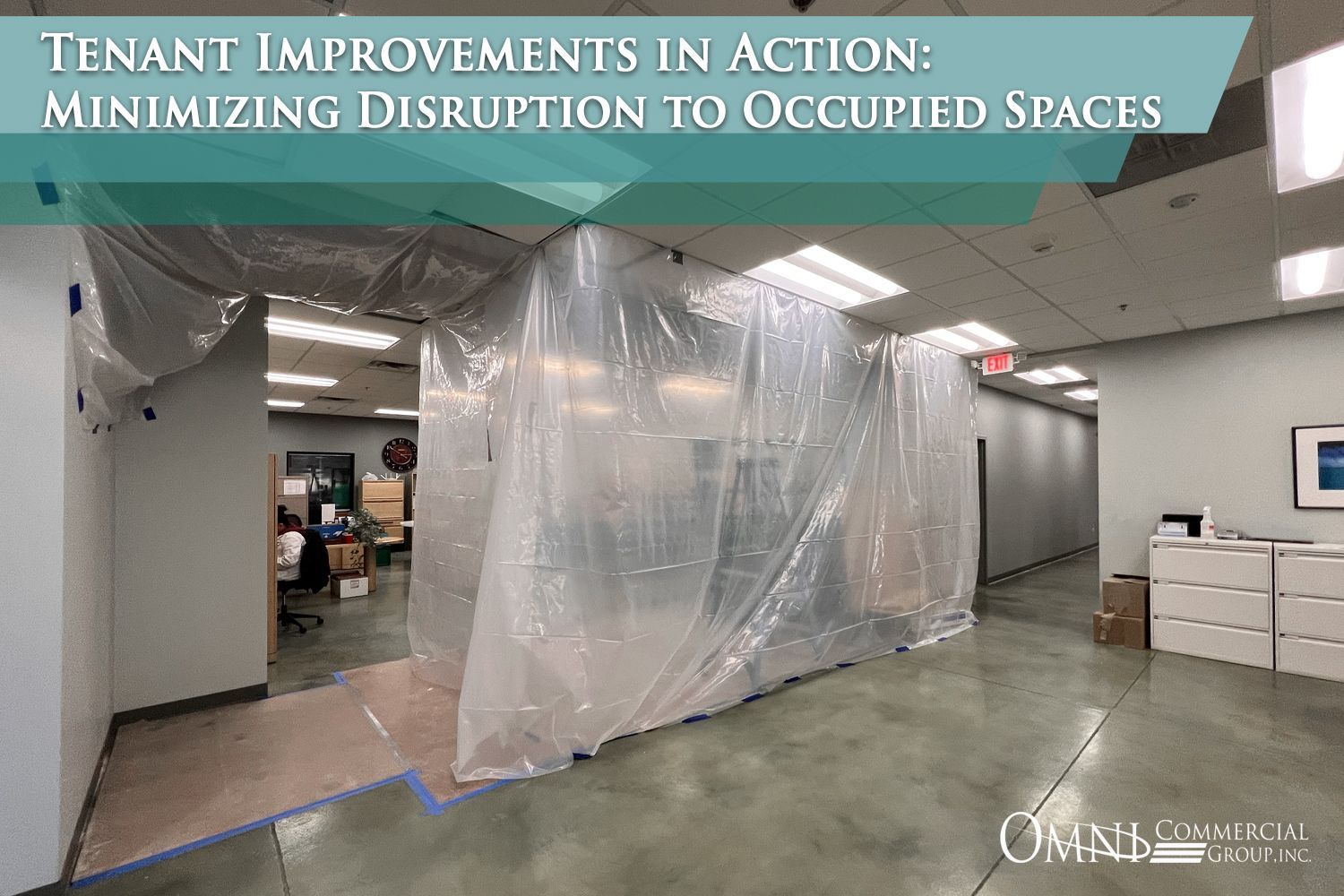
Learn how strategic planning and phased construction help minimize disruption during tenant improvement projects in occupied commercial spaces.
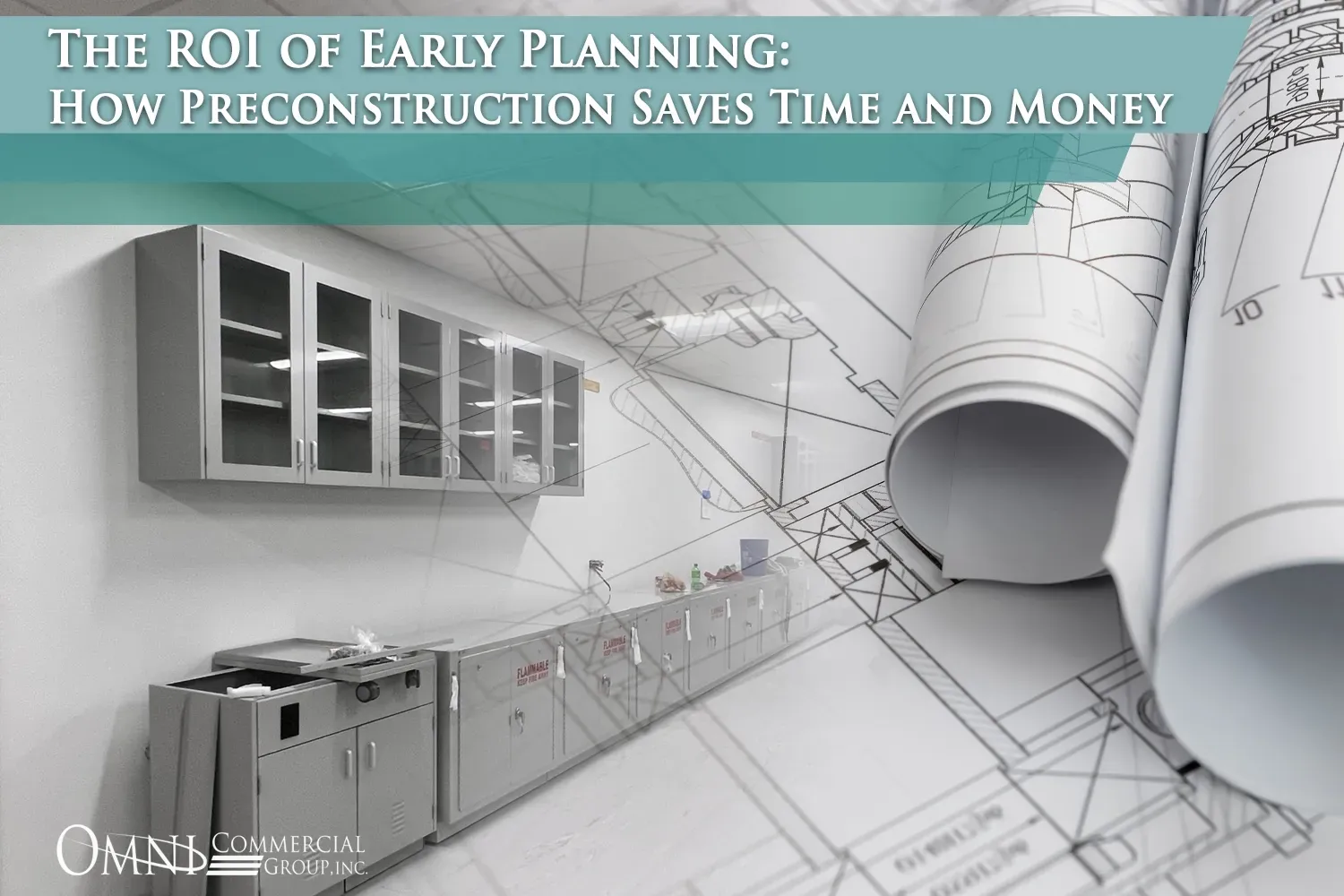
The ROI of Early Planning: How Preconstruction Saves Time and Money
April 23, 2026
In commercial construction, the most critical decisions are made long before construction begins. Preconstruction is where timelines are defined, budgets are established, and risks are minimized. When done right, it sets the foundation for a smooth, efficient project. When rushed or overlooked, it can lead to delays, unexpected costs, and avoidable challenges. For property owners and developers, early planning isn’t just a step, it is a strategic advantage. What is Preconstruction? Preconstruction is the planning phase of a commercial construction project that takes place before breaking ground. It includes budgeting, scheduling, design construction, material selection, and risk evaluation. The goal is simple. Identify potential issues early and make informed decisions when they are easier and more cost effective to address. Cost Control Starts Upfront The most effective way to control project costs isn’t during construction, it is before it begins. Accurate Budgeting Detailed estimates based on current market conditions help eliminate surprises and keep projects aligned with financial expectations. Value Engineering Exploring alternative materials and methos early allows teams to reduce costs without compromising quality or performance. Fewer Change Orders Finalizing key decisions upfront minimizes mid-project changes, one of the leading causes of budget overruns. Preventing Delays Before They Happen Time lost during construction often translates directly into lost revenue. Preconstruction helps keep projects on schedule. A well-developed timeline accounts for permitting, procurement, and labor. Reducing disruptions once construction begins. Addressing permit requirements early helps avoid approval delays that can stall progress. Implementing proactive coordination will resolve design conflicts and site challenges ahead of time leading to smoother execution in the field. Stronger Collaboration, Better Results Successful projects depend on alignment from the start. Preconstruction brings key stakeholders together early to streamline communication and decision-making. Clear expectations start with collaboration to ensure alignment on scope, budget, and timeline. Contractor input during the design phase helps create plans that are both practical and cost-effective. A coordinated approach reduces miscommunication and keeps projects moving efficiently. Reducing Risk, Protection Your Investment Every project carries risk, but early planning helps control it. Evaluating site conditions, logistics, and constraints allows teams to plan instead of reacting later. To manage material cost, early procurement strategies help mitigate price fluctuations and supply chain disruptions. Omni Commercial Group ensures compliance and safety by implementing safety into our culture. By addressing regulations and safety considerations upfront reduces the likelihood of costly setbacks. The Bottom Line Preconstruction is one of the most effective ways to improve project outcomes. By investing in early planning, property owners can: Control costs Reduce delays Improve efficiency Maximize long term value In today’s market, where timing and budgets are critical, a proactive approach isn’t optional, it’s essential. Building Smarter from the Start At Omni Commercial Group, every project begins with a clear, strategic plan. Our preconstruction process is designed to eliminate uncertainty, improve efficiency, and deliver consistent, reliable results. Whether you’re planning a renovation , tenant improvement , or new construction project , the right planning makes all the difference. Contact Omni Commercial Group to learn how our preconstruction services can help you save time, reduce costs, and move forward with confidence.
By technical March 25, 2026
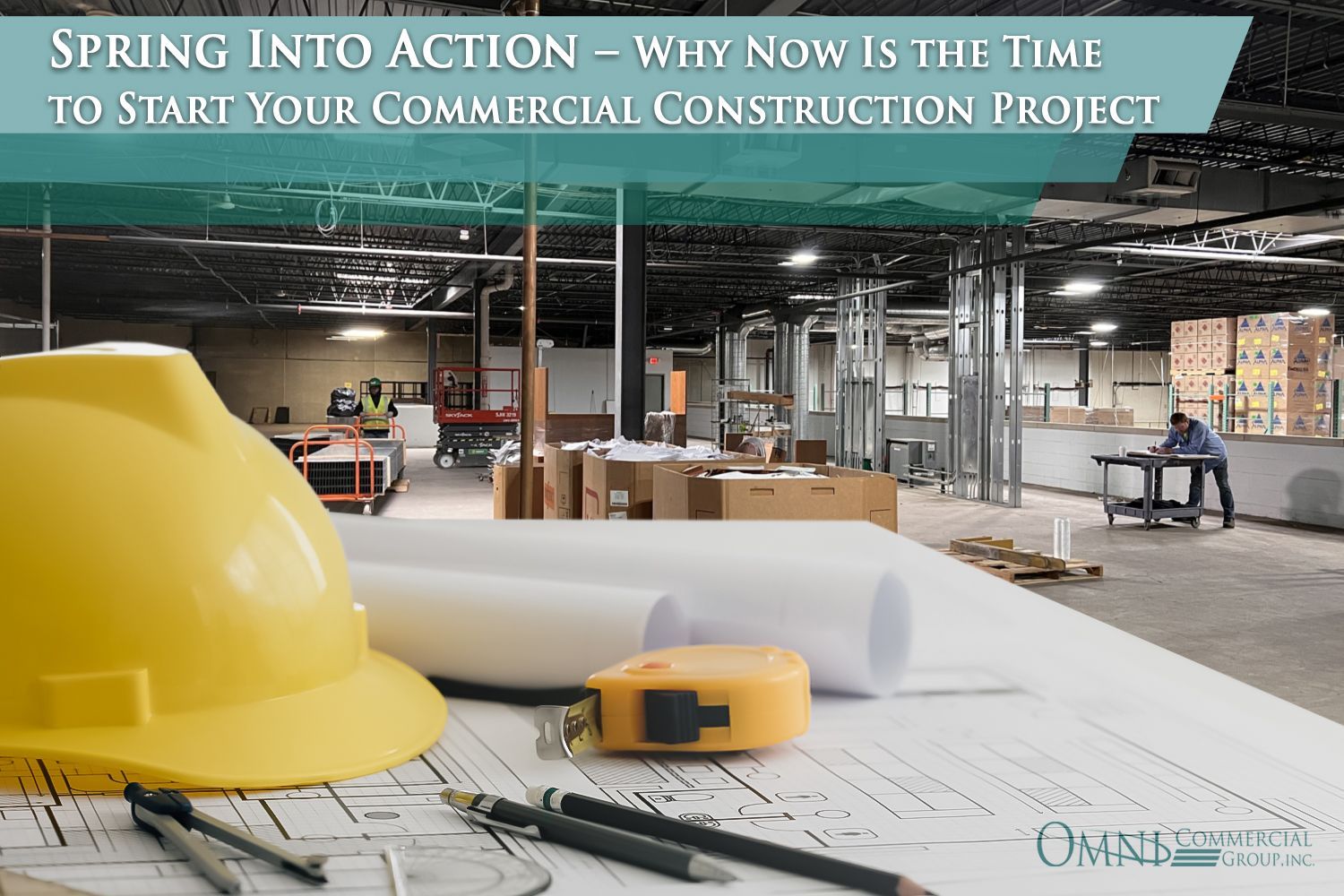
Spring is prime construction season. Learn why March is the ideal time to srat your commercial construction project and how ladder safety plays a critical role in spring execution.
Construction worker looking at blueprints at a building site.
By technical February 18, 2026
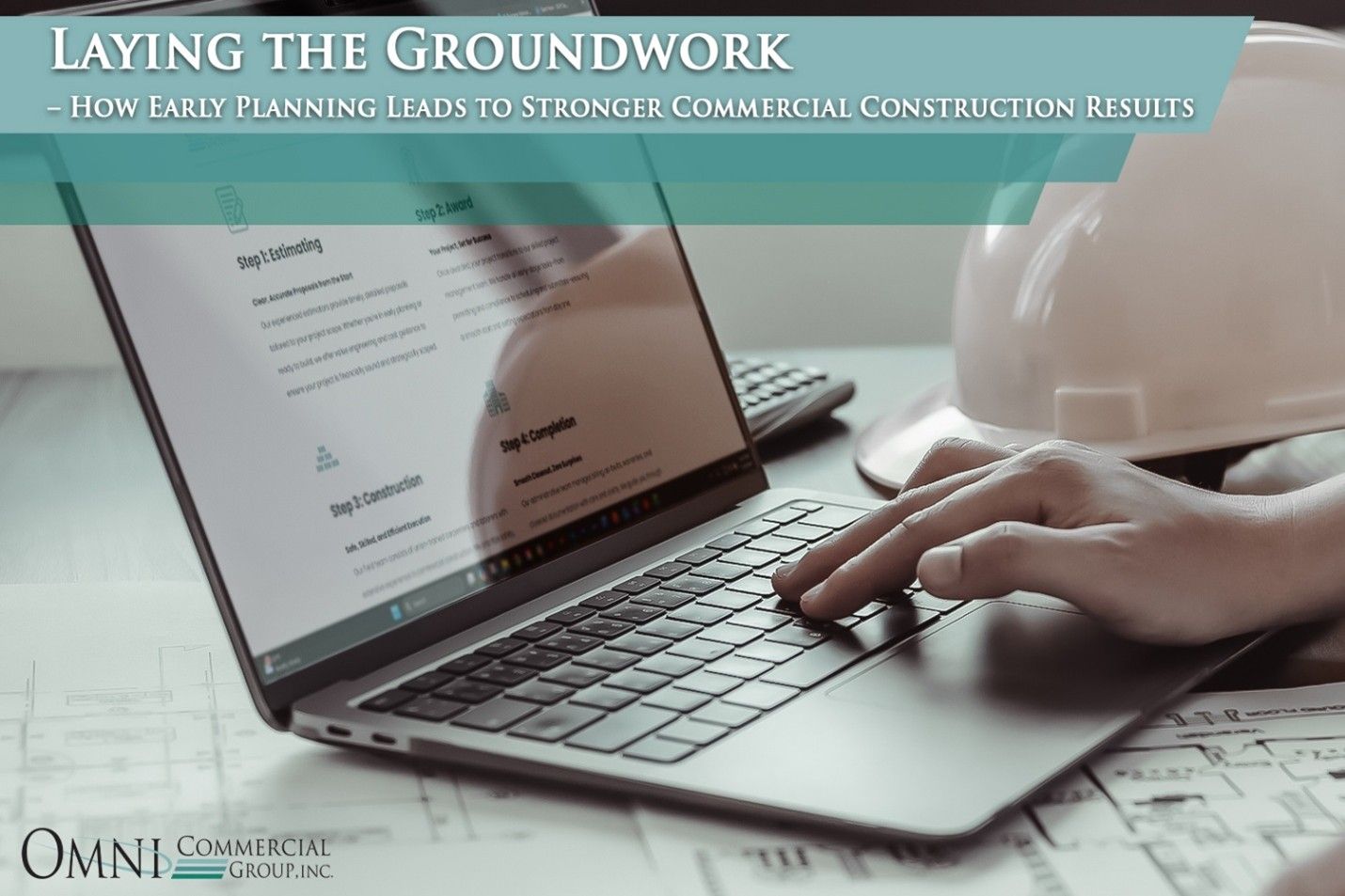
Learn how early planning transitions into successful commercial construction execution. Omni Commercial Group shares how communication, experience, and partnerships drive results.
Person typing on a laptop with a hard hat and blueprints, titled
By technical January 19, 2026
Discover how early commercial construction planning at the start of the year leads to better schedules, controlled costs, and stronger results with Omni Commercial Group. Supporting Keywords: commercial construction planning, preconstruction strategy, tenant improvement planning, general contractor planning, Chicagolan
commercial construction Chicago, Omni Commercial Group, year-end construction review, tenant improve
By technical December 8, 2025
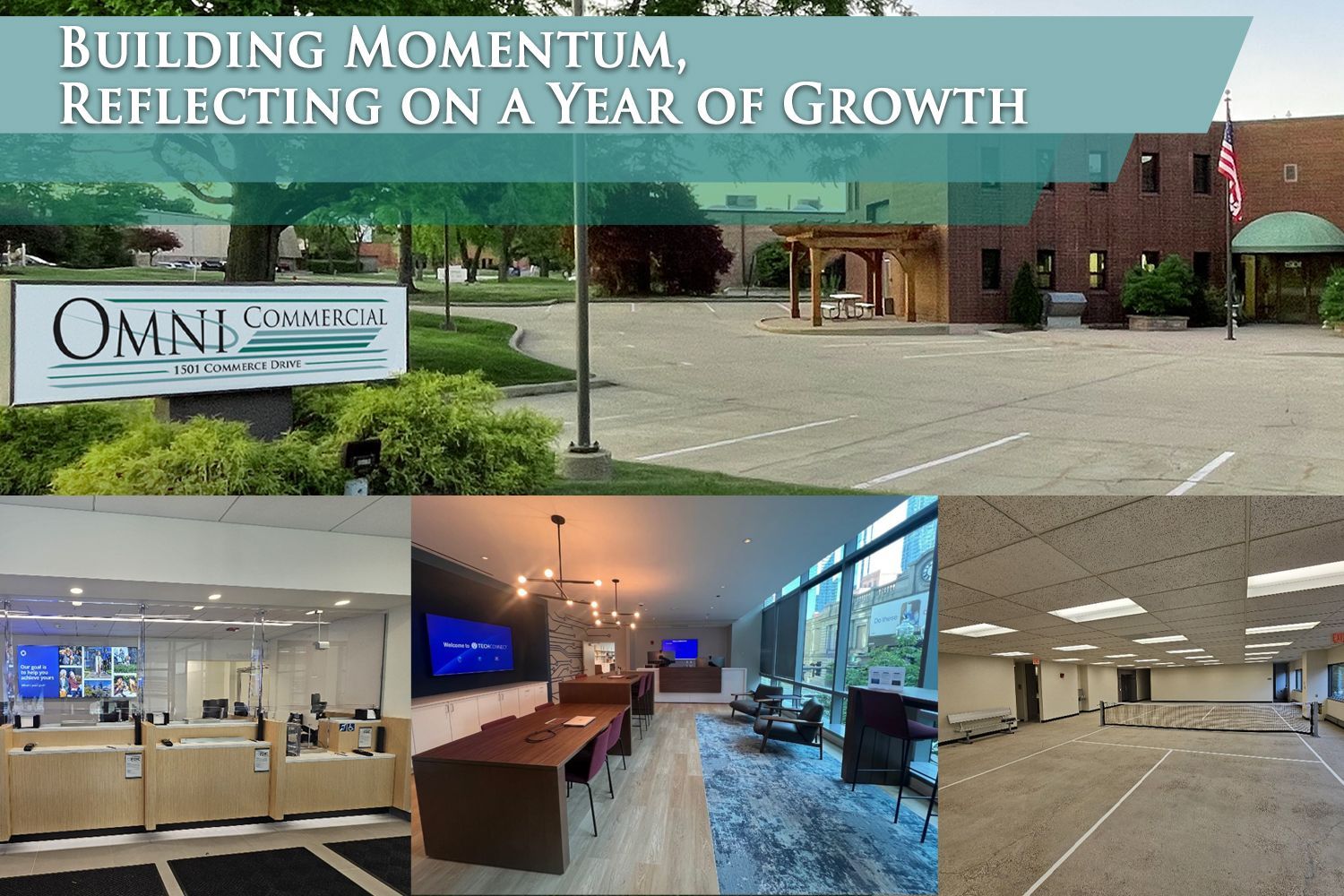
Omni Commercial Group reflects on a year of growth, partnership, and key project accomplishments, including pickleball courts at 150 N Martingale and the 540 W Madison Tech Connect space.
Omni Window building with logo, text:
By technical November 13, 2025
Omni Commercial Group celebrates its people, partners, and process. Discover how teamwork and communication drive success across Chicagoland commercial construction projects.
Commercial property winter preparation graphic: construction site, snow-covered steps, caulking window frame.
By technical November 1, 2025
Prepare your commercial property for winter with Omni Commercial Group. Learn expert strategies for renovations, maintenance, and safety planning to prevent costly downtime.
Omni Commercial Group in Chicago joins Crain's Top 25 WBEs list. Photo: Chicago cityscape, WBENC certified.
By technical September 18, 2025
Omni Commercial Group has been recognized by Crain’s Chicago Business as one of the Top 25 Women-Owned Businesses. With nearly 40 years of client-focused service, Omni continues to lead in commercial construction, diversity, and trusted partnerships across Chicagoland.
By technical August 13, 2025
Get ahead of the busy season with Omni Commercial Group’s guide to fall commercial construction planning. Learn how early scheduling ensures on-time, on-budget project success.