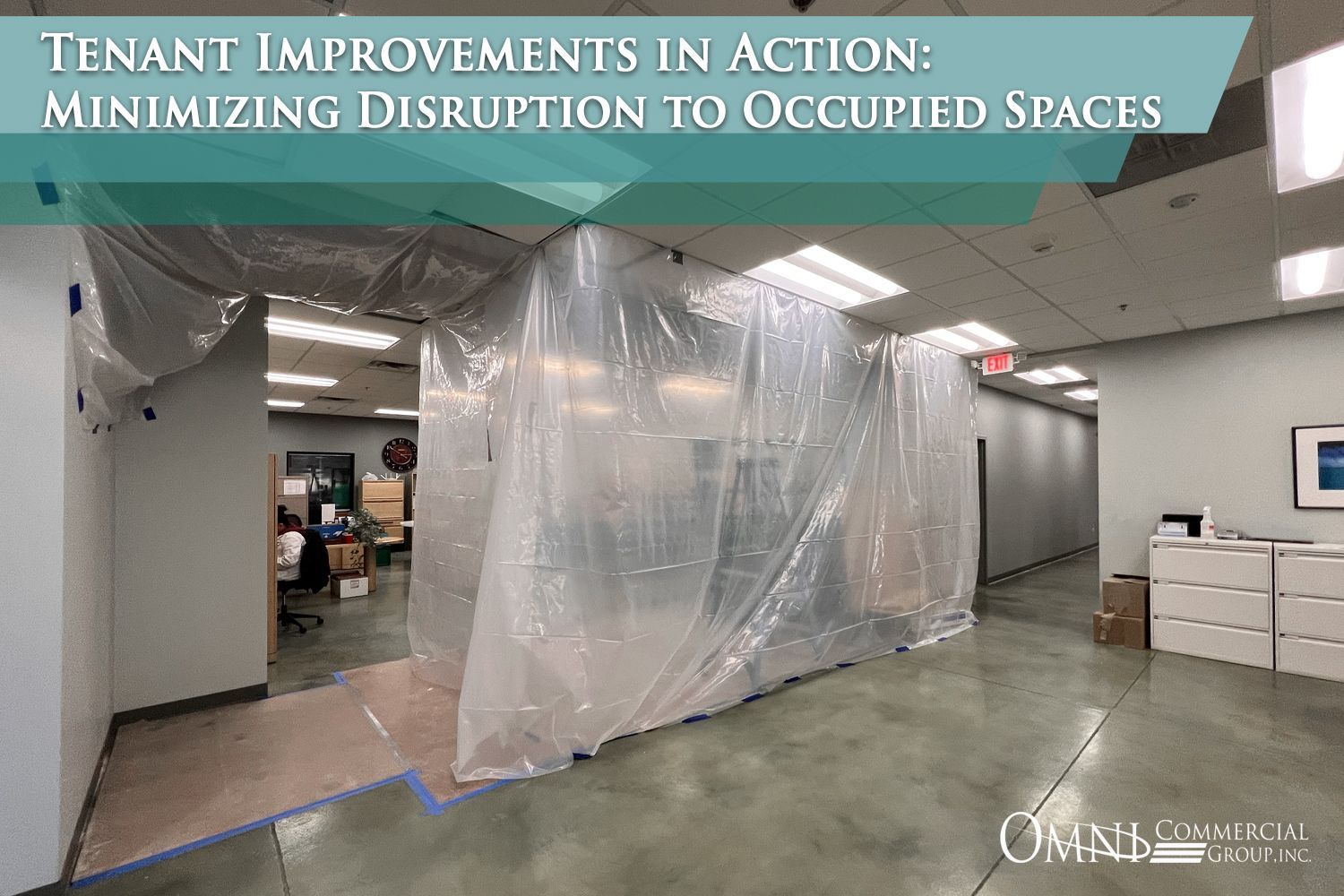
Tenant Improvements in Action: Minimizing Disruption to Occupied Spaces
Tenant improvements are essential for keeping commercial spaces functional, modern, and competitive. However, when construction takes place in an occupied building, the challenge extends far beyond completing the work itself. The real measure of success lies in how seamlessly that work is executed alongside ongoing business operations.
For property owners, facility managers, and tenants, maintaining productivity during construction is not optional; it is critical. A well-planned tenant improvement project can preserve day-to-day operations, protect tenant relationships, and maintain revenue streams. Without the right approach, even a small renovation can create ripple effects that impact the entire building.
What Are Tenant Improvements?
Tenant improvements (Tis) refer to customized renovations or buildouts that align a space with a tenant’s specific operational needs. These projects can vary significantly in scope, ranging from minor cosmetic updates to complete interior transformations.
What sets tenant improvements apart from new construction is the environment in which they occur. Offices remain open; retail stores continue servicing customers, and healthcare facilities must operate without interruption. This makes planning and execution far more complex, requiring a structured and strategic approach that accounts for both construction efficiency and occupant experience.
Why Minimizing Disruption Matters
Construction in occupied environments introduces a unique set of challenges that must be carefully managed. Noice and dust can quickly become more than an inconvenience; they can interfere with productive and customer experience. Limited access to certain areas can disrupt workflows, while safety concerns must be addressed not only for construction crews but also for tenants and visitors. Even minor interruptions can accumulate, leading to frustration, reduced efficiency, and strained relationships.
Minimizing disruption is not simply about convenience. It is about preserving the value of the property and supporting tenant retention. In today’s commercial real estate landscape, tenant experience plays a significant role in long-term success, and construction projects must reflect that priority.
Planning Around Occupied Spaces
A successful tenant improvement project begins with a deep understanding of how the space functions daily. Construction teams must take the time to evaluate tenant schedules, peak business hours, and operational workflows before any work begins.
By aligning
construction activities with these patterns, disruption can be significantly reduced. Work can be scheduled during off-hours or slower periods, and projects can be strategically phased to ensure that critical areas remain accessible. This level of planning only minimizes inconvenience but also helps maintain project momentum without unnecessary delays.
The Power of Communication
Clear and consistent communication is one of the most effective tools for reducing disruption during tenant improvements. When tenants know what to expect, they are far more likely to remain cooperative and adaptable throughout the process.
Setting expectations early establishes trust and provides a foundation for the project. Regular updates keep all stakeholders informed of progress, timelines, and any changes that may arise. Transparency allows tenants to plan accordingly, reducing uncertainty and preventing avoidable conflicts. In many ways, communication is just as important as construction itself in ensuring a successful outcome.
Phased Construction for Continuous Operation
Phased construction is a critical strategy when working in occupied spaces. Instead of tackling the entire project at once, the work is divided into manageable sections that can be completed sequentially. Tenants can continue operating in unaffected areas, which helps preserve productivity. Phasing also provides flexibility, allowing adjustments to be made as the project progresses without bringing operations to a halt.
The Value of an Experienced General Contractor
Tenant improvements require a specialized skill set that goes beyond traditional construction expertise. Working in an occupied environment demands flexibility, coordination, and a proactive approach to problem-solving.
An experienced
general contractor understands how to navigate these complexities. They can adapt schedules as needed, coordinate with multiple stakeholders, and anticipate challenges before they arise. This level of expertise ensures that projects stay on track while minimizing disruption to daily operations.
Choosing the right partner is one of the most important decisions in any tenant improvements projects, as it directly impacts both the process and the outcome.
The Bottom Line
Tenant improvements do not have to disrupt business operations. With the right combination of planning, communication, and execution, it is entirely possible to complete high-quality construction work while maintaining a functional and productive environment.
Building with Minimal Disruption
At Omni Commercial Group, we specialize in delivering tenant improvements in active occupied environments. Our team focuses on detailed planning, clear communication, and seamless coordination to ensure projects are completed efficiently and with minimal impact on daily operations.
Whether you are upgrading a single suite or renovation an entire property, we are committed to keeping your space running while we build. Contact Omni Commercial Group today to learn how we can help you complete your next tenant improvement project with minimal disruption and maximum efficiency.